How to Extend Your Roof’s Lifespan with Preventative Maintenance
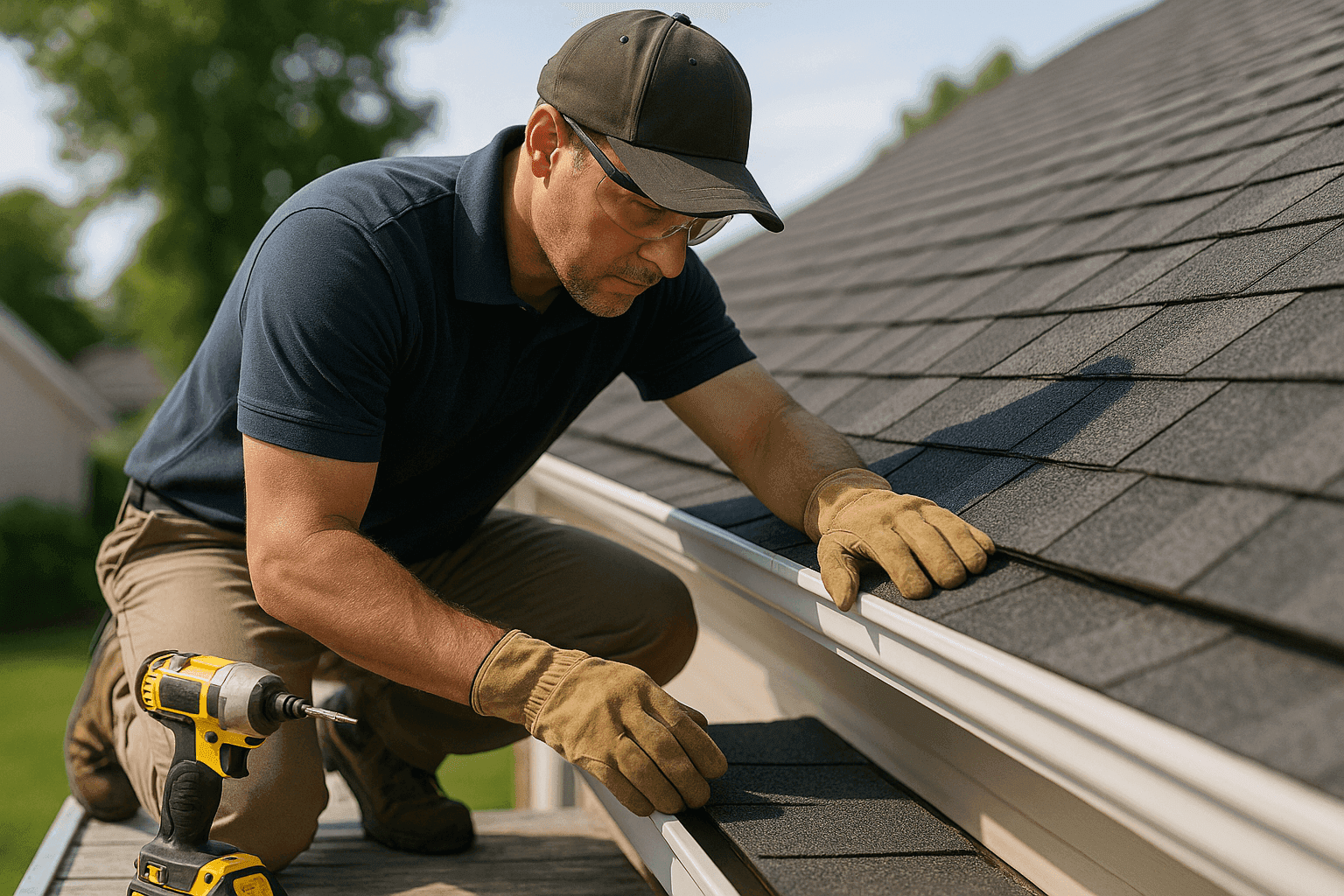
Is your roof quietly aging above your head? Most homeowners and business owners don’t think about their roofs until a leak appears or a storm rolls in. By then, the damage is done. The truth is, a little attention goes a long way. Preventative maintenance is the secret to a long-lasting roof and fewer emergency roofing calls.
At Independent Roofing, we know your roof is more than shingles and nails—it’s the shield that keeps your family, employees, and property safe. Let’s walk through how you can keep it strong, season after season.
Why Preventative Roof Maintenance Matters
Imagine your roof as a raincoat. Over time, small tears, loose buttons, or worn seams can let water in. If you fix these small issues early, your raincoat stays useful for years. Ignore them, and you’re soaked at the first downpour.
Roofing is no different. Whether you have shingle, metal, tile, or flat roofing, regular check-ups and small repairs can add years to its life. According to the National Roofing Contractors Association (NRCA), roofs that receive regular maintenance can last up to 50% longer than neglected ones.
Neglect, on the other hand, leads to:
- Leaks and water damage inside your home or business
- Mold and mildew growth
- Higher energy bills from poor insulation or ventilation
- Expensive emergency roofing repairs
- Premature roof replacement
The good news? Most issues are preventable with a little time and the right approach.
Quick Safety Checklist 🦺
Before you climb a ladder or grab your toolbox, pause. Roof work is risky. The Centers for Disease Control and Prevention (CDC) lists falls as a leading cause of home injuries. Always put safety first:
- Check the weather. Never work on a wet, icy, or windy roof.
- Use sturdy ladders. Place them on level ground and secure the feet.
- Wear non-slip shoes. Sneakers or boots with good grip are a must.
- Have a spotter. Don’t work alone—someone should be nearby in case of trouble.
- Avoid steep or high roofs. Leave these to the pros.
- Watch for power lines. Keep ladders and tools clear of overhead wires.
- Wear gloves and eye protection. Debris and sharp edges are common.
If in doubt, call a professional. Your safety is worth more than any repair.
DIY vs. Call a Pro: Knowing Your Limits
Some maintenance tasks are simple and safe for handy homeowners or business owners. Others should always be handled by a trained roofing technician.
DIY-Friendly Tasks:
- Cleaning gutters and downspouts
- Removing leaves and branches from the roof surface
- Checking for missing or damaged shingles from the ground
- Inspecting attic insulation and ventilation
- Applying roof-safe moss or algae treatments (follow manufacturer guidelines)
Leave to the Pros:
- Repairs involving height or steep slopes
- Fixing leaks or flashing
- Installing or repairing skylights and chimneys
- Structural repairs or decking replacement
- Metal, tile, or flat roof maintenance
If you’re ever unsure, err on the side of caution. Emergency roofing teams like Independent Roofing are trained, insured, and equipped for all situations.
What Pros Do On Arrival
When you call in a roofing professional for preventative maintenance or emergency repairs, here’s what you can expect:
- Thorough Inspection: A walk-around and, if safe, a rooftop check. We look for missing shingles, rusted flashing, cracked tiles, and soft spots.
- Attic Assessment: Checking insulation, ventilation, and signs of leaks or mold.
- Gutter and Downspout Check: Ensuring water flows freely away from your building.
- Sealant and Coating Evaluation: Looking for cracked, peeling, or missing sealants around vents, skylights, and chimneys.
- Written Report: Detailed notes and photos of any issues found.
- Action Plan: Recommendations for repairs, upgrades, or ongoing maintenance.
Independent Roofing follows guidelines from the Occupational Safety and Health Administration (OSHA) and the NRCA to ensure every inspection is safe and thorough.
Seasonal Roof Maintenance Tips
Your roof faces different challenges as the seasons change. Here’s how to keep it in top shape year-round:
Spring
- Clear gutters and downspouts. Winter debris can clog drainage.
- Check for winter damage. Look for cracked shingles, ice dam scars, or loose flashing.
- Inspect attic for leaks. Melting snow and spring rains reveal hidden problems.
Summer
- Check for sun damage. UV rays can dry out shingles and sealants.
- Trim overhanging branches. Prevents debris buildup and animal access.
- Inspect and clean vents. Good airflow prevents heat buildup in attics.
Fall 🍂
- Remove leaves and debris. Prevents clogs and retains moisture.
- Inspect for loose or missing shingles. Wind and storms can pull them free.
- Check flashing and sealants. Prepare for winter’s freeze-thaw cycles.
Winter
- Watch for ice dams. Keep gutters clear to prevent backup.
- Look for icicles and heavy snow. Excess weight can damage your roof.
- Check attic insulation. Proper insulation reduces ice dam risk and saves energy.
How to Spot Early Signs of Roof Trouble
Finding small problems early is the best way to avoid big bills later. Keep an eye out for:
- Missing, curling, or cracked shingles
- Granules in gutters (looks like black sand)
- Sagging rooflines or ceiling stains
- Rust or gaps in metal flashing
- Moss, algae, or plant growth
- Musty smells or visible mold in the attic
- Peeling paint near roof edges
If you see any of these, it’s time to act. Small leaks can become big headaches in a hurry.
Practical DIY Maintenance Tasks
Want to keep your roof in shape between professional visits? Try these safe, effective tasks:
- Clean gutters and downspouts at least twice a year. Wear gloves. Scoop debris by hand or with a gutter scoop. Flush with a garden hose.
- Check attic insulation and ventilation. Look for even coverage and clear airflow at vents.
- Trim back trees. Keep branches at least six feet from your roof.
- Inspect sealants. Look for cracks around vents, skylights, or chimneys. If you’re comfortable, apply roof-safe caulk to small gaps.
- Remove debris from flat roofs. Use a soft broom. Never use sharp tools that could damage roofing materials.
Always follow manufacturer instructions for any products you use, and never walk on a roof unless you’re sure it’s safe.
When to Call a Professional
Certain situations need quick attention from emergency roofing experts:
- Active leaks or water dripping indoors
- Storm damage—missing shingles, hail dents, or fallen branches
- Sagging or bowing rooflines
- Visible mold, mildew, or persistent musty odor
- Unexplained spikes in energy bills
Don’t wait. Water damage spreads fast and can lead to costly structural repairs.
How Preventative Maintenance Saves Money
It’s tempting to put off roof care, especially when everything looks fine from the ground. But the numbers tell a different story:
- Small repairs now cost a fraction of what emergency roofing does after a major leak.
- Regular maintenance can double the lifespan of your roof, according to the NRCA.
- Well-maintained roofs improve energy efficiency, saving on heating and cooling bills.
- Proper insulation and ventilation prevent ice dams, mold, and structural rot.
Think of it like oil changes for your car—a little effort keeps everything running smoothly and avoids expensive breakdowns.
Costs & Time Factors
Roof maintenance doesn’t have to break the bank or eat up your weekend. Here’s what to expect:
- DIY gutter cleaning: 1–2 hours for an average home, minimal cost for gloves and tools.
- Professional inspection: Typically 1–2 hours, with costs varying by roof size and complexity.
- Small repairs: Minor shingle or sealant fixes are quick and affordable compared to full replacements.
- Emergency roofing: Costs and time skyrocket when leaks or structural issues are ignored.
Budgeting a little time and money for prevention saves much more in the long run.
When It’s an Emergency
Sometimes, even the best maintenance can’t prevent sudden problems. Here’s when to act fast:
- After severe storms: High winds, hail, or falling branches can cause hidden damage. Inspect as soon as it’s safe.
- Active leaks: Place a bucket to catch water, but call for emergency roofing immediately.
- Structural damage: Sagging, bowing, or visible holes are urgent. Stay clear of the area and call a professional.
A quick response can mean the difference between a simple patch and a major repair.
Special Considerations for Different Roof Types
Every roof is unique. Here’s what to keep in mind for common types:
Shingle Roofs
- Watch for missing, curling, or blistering shingles.
- Granule loss means aging—consider professional assessment.
Metal Roofs
- Check for rust, loose screws, and worn coatings.
- Listen for popping sounds during temperature changes—could signal movement or fastener issues.
Flat Roofs
- Look for standing water after rain.
- Inspect seams and flashing for cracks or separation.
Tile Roofs
- Watch for cracked or slipped tiles.
- Never walk directly on tiles—they can break easily.
Commercial Roofs
- Schedule regular inspections, especially after storms.
- Ensure roof drains are clear and functioning.
Frequently Asked Questions
How often should I have my roof inspected?
Most roofs benefit from a professional inspection at least once a year, and after severe weather events. If your roof is older or has had issues, twice a year is wise.
Can clogged gutters really damage my roof?
Absolutely. Blocked gutters cause water to back up under shingles or pool on flat roofs, leading to leaks, rot, and even foundation problems.
What’s the best way to spot a leak early?
Check your attic after heavy rain. Look for damp insulation, water stains, or musty smells. Ceiling stains indoors are also a red flag.
Is preventative maintenance worth it for a newer roof?
Yes! Even new roofs need care to reach their full lifespan. Early maintenance catches manufacturer defects or installation mistakes before they become major issues.
Industry Best Practices and References
- Follow guidelines from the National Roofing Contractors Association (NRCA) for inspection and maintenance schedules.
- Use OSHA-recommended safety precautions for any roof work.
- Check manufacturer instructions for your specific roofing materials.
Take the Next Step in Roof Care
A strong roof is built on regular care and quick action when problems arise. Don’t wait for leaks or emergencies to force your hand. With a little attention each season, you can extend your roof’s lifespan, save money, and keep your home or business protected—rain or shine.
Call Independent Roofing now — or reach us anytime at 888-218-7919 .