How to Maintain Your Roof Year-Round: A Seasonal Homeowner’s Guide
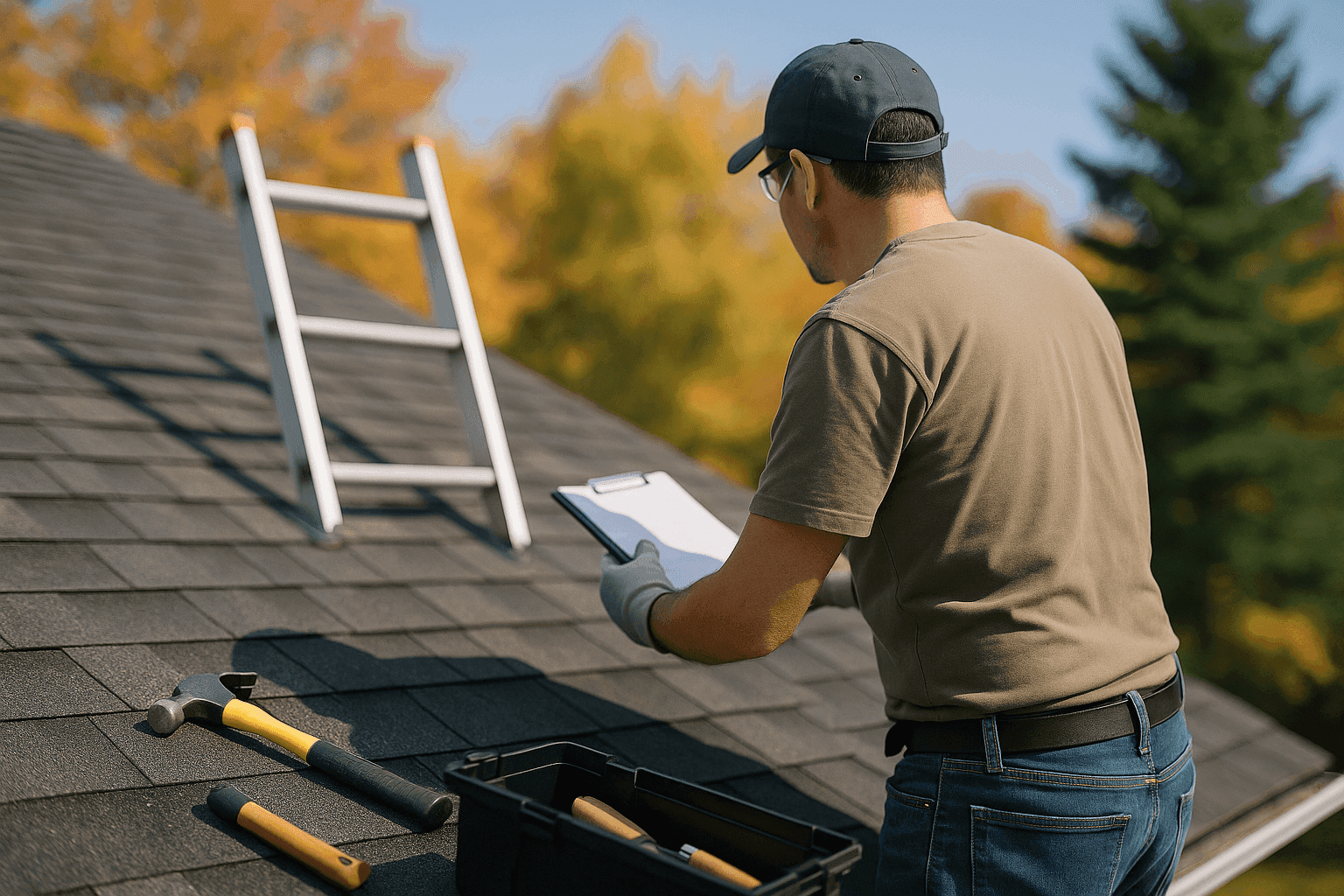
Keeping a roof over your head isn’t just a saying—it’s a year-round responsibility. Every season brings its own challenges, and ignoring them can turn small troubles into big, costly headaches. Whether you’re a homeowner or run a small business, understanding what your roof needs throughout the year is the first step to protecting your investment.
At Independent Roofing, we know the peace of mind that comes from a strong, weather-ready roof. Let’s walk through what you need to do, season by season, to keep your roof in top shape—and when it’s time to call in emergency roofing help.
Why Year-Round Roof Maintenance Matters
Think of your roof as a shield. It takes the brunt of every storm, the weight of every snowfall, and the punch of summer sun. Over time, even the best roofs show wear. A little neglect can lead to leaks, mold, or even structural damage.
Routine care isn’t just about avoiding repairs. It’s about keeping your home or business safe, dry, and energy efficient. And when the unexpected happens—like a heavy storm or sudden leak—being prepared means you’re less likely to face an emergency.
Quick Safety Checklist 🛑
Before you climb a ladder or inspect your roof, safety comes first. Here’s what to remember:
- Use a sturdy ladder with slip-resistant feet.
- Wear non-slip shoes and gloves.
- Never work on a wet or icy roof.
- Have someone nearby to assist or call for help if needed.
- Watch for overhead power lines and unstable surfaces.
- If you’re unsure, call a professional—your safety is worth it.
Spring Roof Cleaning and Inspection
Spring is the season of renewal—and your roof needs it, too. Winter’s harsh weather can leave behind debris, clogged gutters, and hidden damage.
What to Do:
- Clear Debris: Remove branches, leaves, and dirt from the roof and gutters.
- Inspect Shingles: Look for missing, cracked, or curling shingles.
- Check Flashing: Examine the metal strips around chimneys, skylights, and vents for rust or gaps.
- Gutter Check: Make sure gutters and downspouts are clear and securely attached.
- Look for Leaks: Check your attic for water stains, mold, or damp insulation.
Tip: Use binoculars from the ground to spot obvious problems if you’re not comfortable climbing.
Why It Matters
Spring showers can turn small cracks into big leaks. Early action means less risk of water damage or costly repairs.
Summer Ventilation and Leak Prevention ☀️
Summer brings heat and storms. Your roof needs to breathe and stay sealed to prevent problems.
What to Do:
- Inspect Ventilation: Make sure attic vents aren’t blocked. Good airflow prevents heat buildup and extends roof life.
- Sealants & Coatings: Check for cracked or peeling sealants around joints and flashing. Reapply as needed.
- Look for Sun Damage: UV rays can weaken shingles and coatings. Watch for blistering or fading.
- Check for Storm Damage: After severe weather, look for missing shingles, dented gutters, or damaged downspouts.
Why It Matters
Poor ventilation can turn your attic into an oven, raising energy bills and warping wood. Storms can cause sudden leaks—catch them before they grow.
Fall Gutter and Downspout Care 🍂
Falling leaves are beautiful—until they clog your gutters and downspouts. Fall is the time to prep for rain and winter snow.
What to Do:
- Gutter Cleaning: Remove leaves and debris from gutters and downspouts.
- Downspout Inspection: Make sure downspouts direct water away from your foundation.
- Check for Sagging: Ensure gutters are firmly attached and not sagging under weight.
- Inspect Roof Edges: Look for moss, algae, or signs of rot at the eaves.
- Trim Overhanging Branches: Reduce the risk of falling limbs and extra debris.
Why It Matters
Clogged gutters can cause water to back up under shingles, leading to leaks and ice dams in winter. Proper drainage keeps your roof and foundation safe.
Winter Roof Protection and Emergency Preparedness ❄️
Snow, ice, and freezing rain can test even the toughest roof. Winter is when small issues can turn into emergencies fast.
What to Do:
- Inspect After Storms: Look for ice dams, heavy snow buildup, or visible leaks.
- Remove Snow Safely: Use a roof rake from the ground—never climb a snowy roof.
- Check Attic Insulation: Proper insulation keeps heat in and prevents ice dams.
- Look for Icicles: These can signal poor drainage or ventilation.
- Have Emergency Roofing Contacts Ready: Know who to call if you spot sudden leaks or damage.
Why It Matters
Ice dams and snow loads can cause major leaks or even structural damage. Fast action can prevent a small issue from becoming a disaster.
Preventative Maintenance: Your Year-Round Shield
Preventative maintenance is like brushing your teeth—simple, regular care keeps bigger problems away.
Routine Maintenance Tips
- Schedule Regular Inspections: Twice a year—spring and fall—plus after major storms.
- Clean Gutters and Downspouts: At least twice a year, more if you have overhanging trees.
- Check Sealants and Coatings: Annually, especially around roof penetrations.
- Trim Trees: Keep branches at least 10 feet from the roof.
- Inspect for Early Signs: Curling shingles, rusted flashing, or damp attic insulation.
When to Call a Professional
- If you spot signs of structural damage—sagging, large leaks, or daylight through the roof.
- After severe storms, especially if you see missing shingles or damaged gutters.
- For annual inspections and preventative maintenance.
Roofing pros follow Occupational Safety and Health Administration (OSHA) safety guidelines and use specialized equipment to spot hidden problems.
DIY vs. Call a Pro
Some tasks are safe for handy homeowners—like cleaning gutters or spotting visible damage from the ground. But for anything involving height, complex repairs, or emergency roofing, it’s best to call in the professionals.
DIY Tasks
- Cleaning gutters and downspouts.
- Trimming small, reachable branches.
- Basic attic checks for leaks or dampness.
Call a Pro For
- Roof repairs, shingle replacement, or flashing work.
- Large debris removal.
- Inspections after major storms or suspected leaks.
- Emergency services—especially if water is entering your home.
Remember: Roofing work can be dangerous. Professionals have the training and equipment to do the job safely.
What Pros Do On Arrival
When you call in a roofing team, here’s what you can expect:
- Thorough Inspection: Inside and out, from attic to shingles.
- Moisture Checks: Using moisture meters to find hidden leaks.
- Structural Assessment: Looking for sagging, rot, or compromised decking.
- Ventilation Review: Ensuring attic airflow is up to code.
- Detailed Report: Clear explanation of any issues and recommended repairs.
Industry best practices, like those from the National Roofing Contractors Association (NRCA), guide every step.
Costs & Time Factors
Roof maintenance costs and timelines vary. Here’s what to expect:
- Gutter Cleaning: Often takes a few hours, depending on home size and debris.
- Minor Repairs: Patching leaks or replacing a few shingles can be done in a day.
- Inspections: Usually completed in a few hours.
- Major Repairs or Replacement: Can take several days, especially after storm damage.
Delaying maintenance often leads to higher costs down the line. Regular care is the best way to save money.
When It’s an Emergency
Not all roof problems can wait. Here’s when to act fast:
- Active Leaks: Water dripping or pooling inside your home.
- Storm Damage: Missing shingles, exposed decking, or fallen branches.
- Sagging Roof: Visible dips or bowing.
- Fire or Structural Impact: After a tree falls or other major event.
In these cases, emergency roofing services can prevent further damage and protect your property.
FAQ: Roof Maintenance Year-Round
How often should I inspect my roof?
Inspect your roof at least twice a year—spring and fall—and after any major storm.
What are early warning signs of roof trouble?
Look for curling or missing shingles, rusted flashing, water stains in the attic, and clogged gutters.
Can I clean my own gutters?
Yes, if it’s safe. Use a sturdy ladder and gloves. If your roof is steep or high, call a professional.
Are eco-friendly roofing options available?
Absolutely. Many modern materials offer energy efficiency and sustainability—ask about eco-friendly choices during your next inspection.
Special Considerations for Roof Maintenance
Every roof is unique. Tile, metal, shingle, and flat roofs all have their own needs. Flat roofs require special attention to drainage and coatings. Skylights and chimneys need regular flashing checks. Commercial properties may have larger, more complex systems that demand professional oversight.
No matter your roof type, regular care and attention are key. Follow manufacturer guidelines and consult with professionals who stay up to date with the latest building codes and safety standards.
Call Independent Roofing now — or reach us anytime at 888-218-7919 .